
Until now, Netflix only supported HDR10 and Dolby Vision for high dynamic range content. But now, the streaming giant has added a third option: HDR10+.
HDR10 vs. HDR10+ – What’s the Difference?
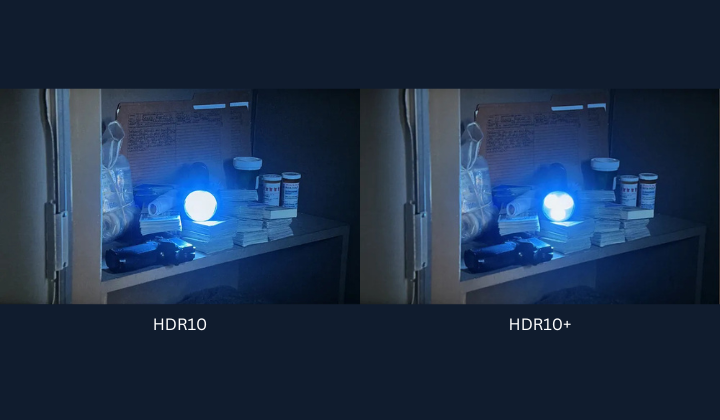
- HDR10 is the most common HDR format, working on all HDR-capable devices. It uses static metadata, meaning brightness and colour settings stay the same for the entire movie or show. This can lead to less accurate contrast in scenes with big lighting changes.
- HDR10+ fixes this with dynamic metadata, adjusting brightness and tone mapping per scene for better detail in dark and bright areas. The result? A picture closer to what the creators intended.
This is great news if your TV or device doesn’t support Dolby Vision but does handle HDR10+.
Catch: You’ll Need AV1 Support
Netflix’s HDR10+ content uses AV1-HDR10+, so your TV or device must support the AV1 codec. Most mid-range and high-end TVs from the last few years have it, but if your TV also has Dolby Vision, Netflix will default to that instead. And you’ll need the Netflix Premium plan to watch in HDR.
How Much Content is in HDR10+?
Right now, Netflix has added HDR10+ to about 50% of its top-watched movies and shows, with plans to expand it to the entire HDR catalogue by the end of 2025.