
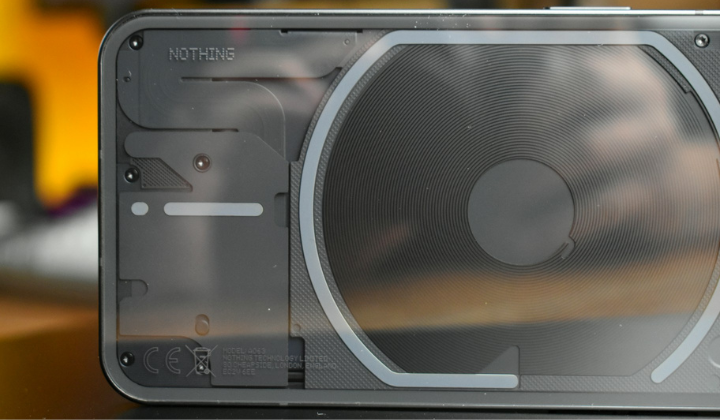

A rumour recently surfaced suggesting that London-headquartered tech brand Nothing was preparing to exit over a dozen global markets.
The alleged pull-out, which reportedly included Japan, the Middle East, and parts of Europe, was attributed to softening smartphone demand driven by rising RAM and storage costs, according to Digit, a tech blog based in India.
Alongside these market exits, claims emerged of substantial workforce reductions, including a 40% overall headcount cut, accompanied by major research and development layoffs in both China and the UK.
Adding fuel to the fire, the report pointed to underwhelming sales figures for the brand’s latest hardware lineup. They claimed that the Nothing Phone (4b) had managed just around 20,000 sales since launch early this month, while the Phone (4a) and Phone (4a) Pro combined reached around 150,000 units, figures that would represent a significant struggle in the current competitive landscape.
Nothing co-founder Akis Evangelidis swiftly dismissed the reports as fake news, reassuring observers that the company is simply reorganising to support future expansion.
According to Evangelidis, the brand is establishing dedicated AI-native business units and consolidating country operations into regional hubs to improve overall efficiency. While he acknowledged that these structural adjustments had affected certain roles, he insisted that the rumoured layoff percentages were heavily exaggerated.
The publication behind the original report, Digit, responded by standing firmly by its story. The tech outlet stated that Nothing was given a full week to address the findings prior to publication, yet offered no official statement or denial at the time.
With both sides holding their ground, fans are left to weigh the conflicting accounts. While dramatic restructuring rumours are always met with corporate pushback, industry-wide challenges make the scenario plausible. Smaller, independent hardware manufacturers remain particularly vulnerable to soaring memory component costs, making operational streamlining a necessary, if uncomfortable, reality in today’s mobile market.