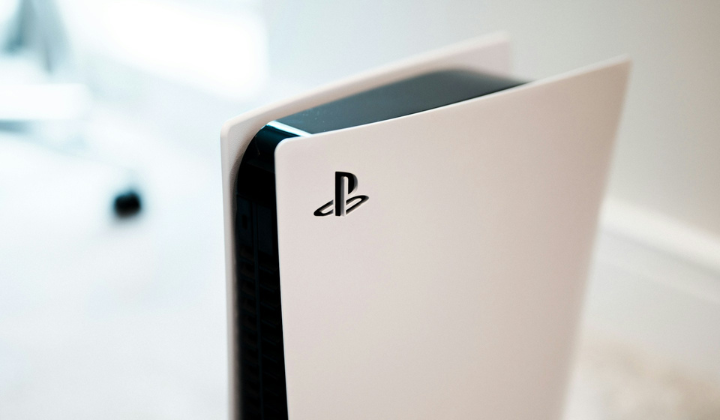

The conversation around video game preservation has shifted dramatically following the recent decision by Sony to phase out physical game discs entirely by 2028. This announcement has intensified the focus on emulation as the definitive method for safeguarding gaming history, triggering a significant surge in the development of PlayStation 5 (PS5) emulators.
Currently, the scene features at least two prominent projects targeting PS5 emulation on Windows platforms: KytyPS5 and SharpEmu. While these emulators are still in their infancy compared to the advanced state of PlayStation 4 emulators like shadPS4, their initial milestones are highly promising.
KytyPS5 has demonstrated impressive versatility by successfully booting and running various 2D titles alongside a selection of commercial 3D games. The emulator has shown compatibility with projects built on Unreal Engine 4 and 5, Unity, and several proprietary engines.
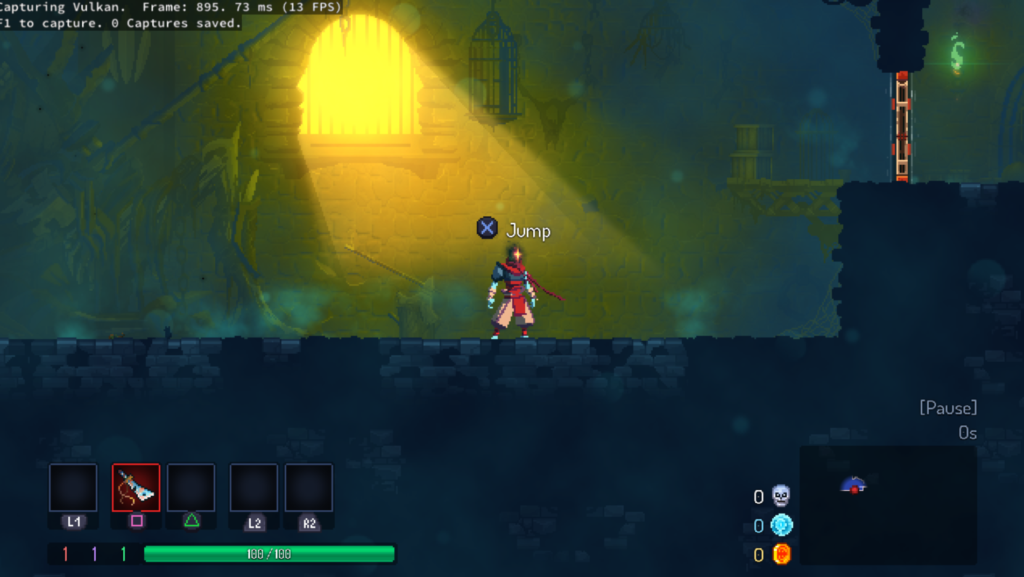
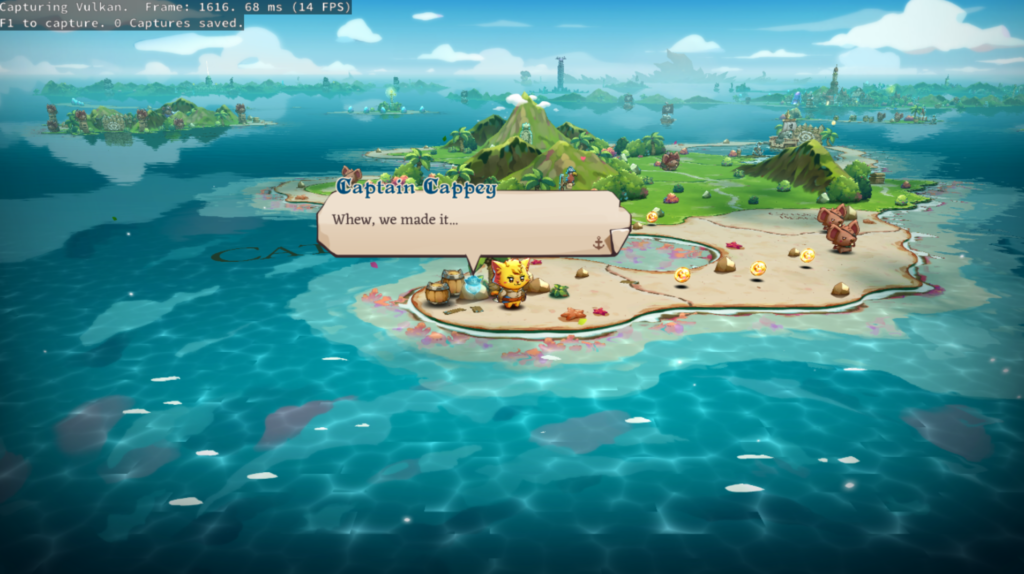
Notable titles that have successfully made it in-game include Cult of the Lamb, Dead Cells, Cat Quest 3, and PowerWash Simulator.
Meanwhile, the development team behind SharpEmu achieved a major breakthrough by successfully booting the PS5 exclusive Astro Bot. Although the title is currently far from a playable state, achieving a successful boot for a flagship exclusive represents a remarkable technical milestone. SharpEmu was also able to boot Demon’s Souls remake, another PS5 exclusive title.
Optimism within the development community stems from the underlying hardware of the modern console. Unlike older systems such as the PlayStation 3, which relied on the notoriously complex and proprietary Cell processor architecture, the PS5 utilises an AMD’s CPU and GPU unit built on the standard x86 architecture. Because this framework closely mirrors modern PC, developers face a much shallower learning curve when translating the hardware instructions.
Given the architectural similarities and the current rate of development, the timeline for functional emulation looks shorter than in previous generations. It is highly probable that within the next couple of years, at least one of these emulation projects will mature enough to render major exclusive titles in a fully playable state.